- הרשמה לניוזלטר
- מועדון המשפיעים
- שימושון
- אודות
- תרום לנו
- צור קשר

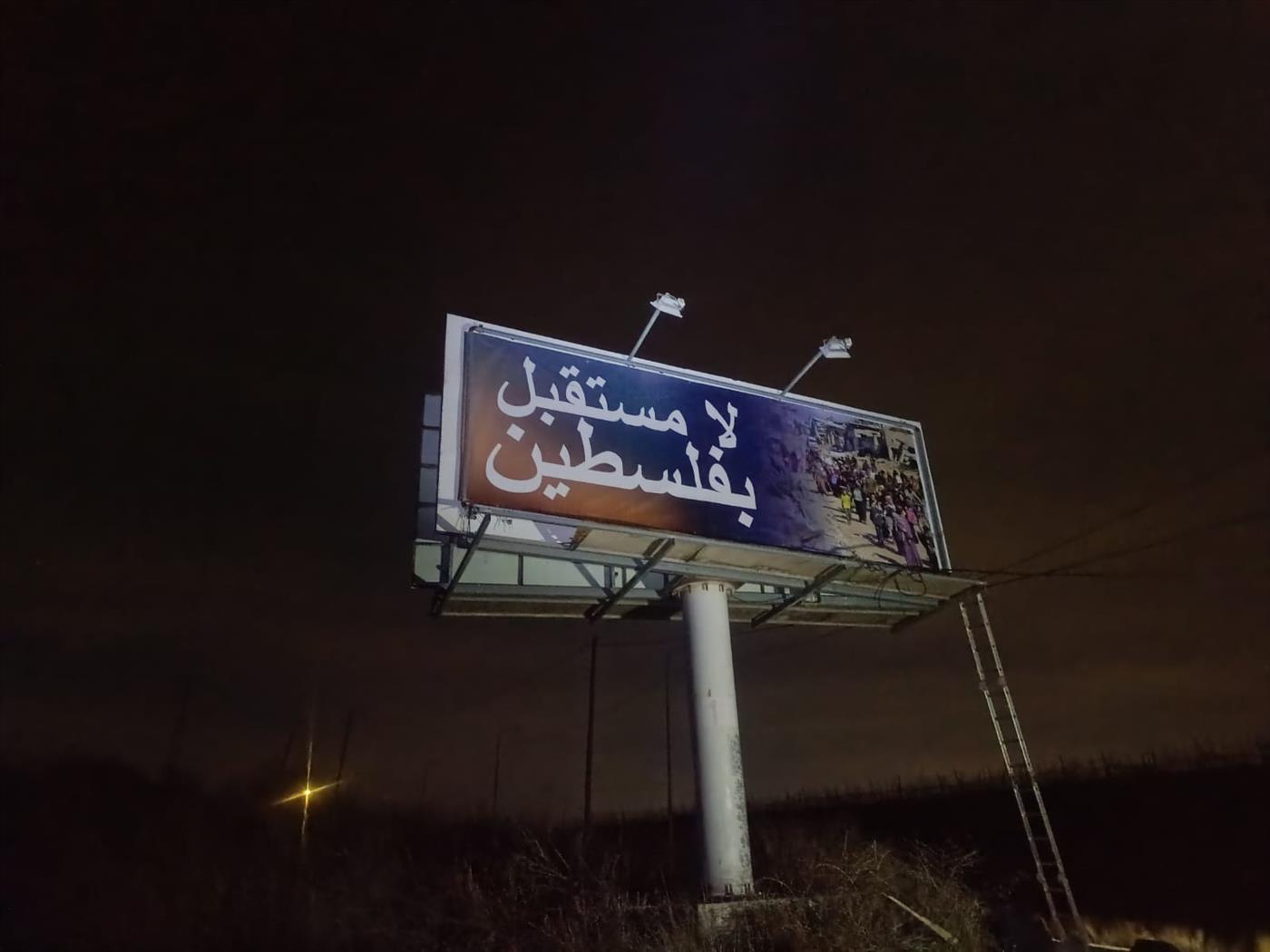
A recent Gallup poll indicates that the majority of Arabs in Judea and Samaria are profoundly pessimistic about their economy and quality of life, with negative emotions at a peak. A new 2025 survey published by the American firm, which conducts periodic global polls, shows that most "Palestinians" are deeply pessimistic about the economy and their standard of living. The inability to afford food has risen to a peak, negative emotions have intensified, and the perception of public security has plummeted.
Plunging Economic and Emotional Indicators
The survey data reveals a society in economic and emotional distress:
Approximately 43% of Arabs in Judea and Samaria say they lacked money for food at times in 2025—an increase from 33% in 2024 and 28% in 2023.
Financial distress related to housing reached a two-decade high, with 20% reporting difficulty.
75% of respondents believe the economic situation is deteriorating.
For the first time, more than half (51%) said their standard of living is declining.
The survey also measured emotional strain since the start of the war with Israel: 52% reported worry, 50% reported stress, 44% reported anger and 35% reported sadnes.The percentage of those who feel safe walking alone at night dropped from 71% in 2023 to 53% in 2025, reversing a previous trend of improvement from 2017 to 2022.
Gallup attributes this despair to the deteriorating economic situation in the Palestinian Authority (PA), stemming from reduced access to work in Israel, checkpoints, and the PA's fiscal difficulties. The data is consistent with other reports which reveal the dramatic consequences of the ban on workers entering Israel on the economic situation and sentiment in Judea and Samaria. Whether the State of Israel will be wise enough to exploit this despair to open the way for mass emigration of Arabs from Judea and Samaria or whether it will eventually explode in our faces depends on us.
Last year, following the security establishment’s claim that allowing Palestinian workers into Israel reduces attacks, MK Zvi Sukkot requested the data to back this assertion. When the military was unable to provide the figures, a research document was commissioned from the Knesset Research and Information Center.
The resulting Knesset research contradicted the security establishment’s position, finding that terrorism actually finds fertile ground in times of economic prosperity, and poverty tends to decrease it. "Not only is there no connection," stated MK Sukkot, "but on the contrary, every time they had a relatively good socio-economic situation, a war broke out here, an Intifada; there was an increase in terror".
According to MK Sukkot, the reason that the IDF doesn't understand this issue is that the IDF is totally committed to the PA, and is unwilling to give up on the idea that the PA must be in control. The IDF will do everything in order to keep the PA alive. "It's an addiction" said MK Sukkot.
The IDF's commitment to keeping the PA alive impacts many areas. As an example, he cited the PA's unpoliced practice of burning garbage which results in people being sick with cancer, and is projected by the State Comptroller to cost Israel 9 billion NIS in damages in the coming years. According to MK Sukkot, the IDF chooses not to enforce the relevant laws, because doing so would require the PA to pay for waste management, as is done in normal societies around the world. But paying for waste management would destabilize the PA's financial situation, so they're allowed to continue burning garbage.