- הרשמה לניוזלטר
- מועדון המשפיעים
- שימושון
- אודות
- תרום לנו
- צור קשר

Last Saturday, Trump announced the members of the "Gaza Executive Board”. The announcement, which highlighted Turkey and Qatar's roles—two countries that support Hamas—sparked a media and public uproar. But first, let's clarify: What is this Executive Board? What is the “Board of Peace”, and where do the “technocrats” come in?
The last hostage deal approved by Netanyahu effectively approved Trump's "20-point plan" to end the war in Gaza, as well. In practice, this plan replaced the immigration plan Trump had previously announced and called for an end to the war and the establishment of an international "Board of Peace" responsible for Gaza. It was already stated in the plan, which was eventually adopted by the UN, that the reconstruction of Gaza and the establishment of a Palestinian government would be a "path to establishing a Palestinian state."
Under the cover of the hostage deal, Netanyahu not only abandoned the immigration plan that could have ended the Gaza threat but also the possibility for Israel to manage the Gaza Strip. According to this plan, the establishment of the "Board of Peace" was expected to begin after the first phase of the hostage deal and the release of terrorists. However, Hamas delayed the process, claiming difficulty in locating the bodies of the murdered hostages, prolonging the first phase for three months.
Last weekend, despite the fact that the body of the last hostage, Ron Gvili hy”d, has not yet been returned, Steve Witkoff—Trump's envoy to the Middle East, considered close to Qatar, and whose relatives were revealed to have business connections with Qatar—published a statement. According to Witkoff, the Gaza Strip is "transitioning from a ceasefire to demilitarization, technocratic governance, and reconstruction." Following Witkoff's announcement, Trump revealed the names of those who will manage Gaza.
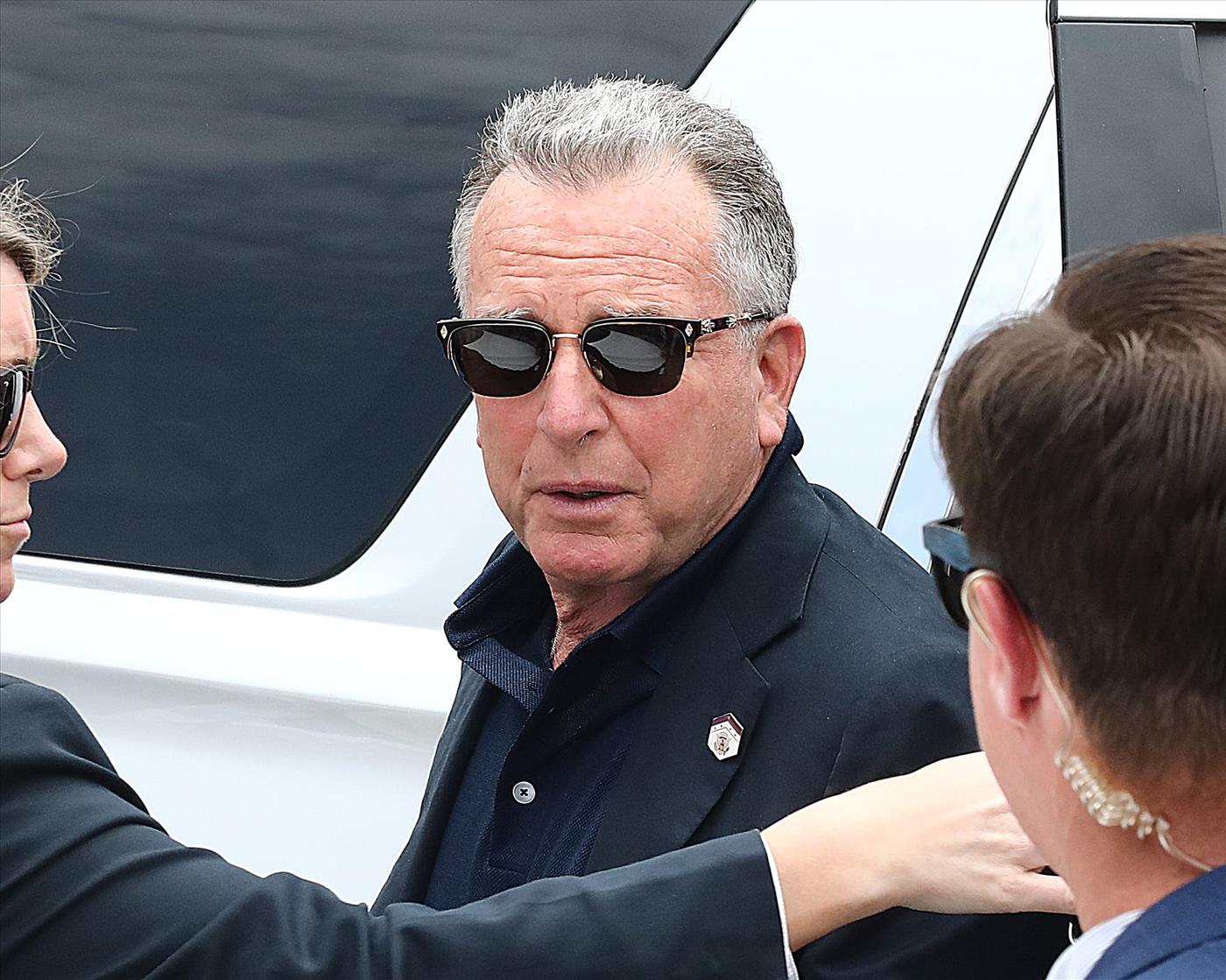
Trump announced the establishment of three bodies: a Palestinian technocratic government that will oversee Gaza; an Executive Board (in which Trump has given Turkey and Qatar a foothold) that will oversee the technocratic government; and “the Board of Peace” expected to consist of various heads of state, under Trump’s leadership, which will oversee both of the above.
The technocratic government, or the National Committee for the Administration of Gaza (NCAG), is a committee intended to be the de facto government in Gaza, consisting of supposedly "technocratic Palestinians”—executive figures not politically affiliated and approved by Israel, but also approved by Hamas.
Appointed head of the technocratic government is Ali Shaath, former Deputy Minister of Transportation in the Palestinian Authority and affiliated with Fatah. Shaath was responsible for various development projects within the Palestinian Authority, including the establishment of the city of Rawabi alongside Bashar Masri. His well-known anti-Israel statements are unsurprising; what is surprising is that Israel would hand control of Gaza to him after paying an incomprehensible price in dead and wounded soldiers.
In addition to Ali Shaath, several Gazan political figures have been appointed as ministers in the technocratic government: Ayed Abu Ramadan, chairman of the Gaza Chamber of Commerce, has been appointed Head of the Department of Trade and Economics; Omar Shmali, head of the Palestinian communications department in Gaza, has been appointed communications minister; Abdul Karim Ashour, director of "Agricultural Aid," has been placed in charge of agriculture; Dr. Aed Yaghi, head of the Palestinian Medical Relief Society in Gaza, has been appointed health minister; Dr. Jaber Al-Daur, president of "Palestine University"–education minister; Muhammad Basiso–justice minister; and Major General (Palestinian Authority, Fatah) Sami Nasman has been assigned to lead the Palestinian police in Gaza.
Many of the appointments are linked to the Palestinian Authority, even if unofficially, despite Netanyahu's assurances that "there will be no Hamas or Palestinian Authority in Gaza post-war." This is not surprising, given that once Netanyahu decided to return the management of Gaza into enemy hands, the available options were either Hamas or the Palestinian Authority.
Israeli security sources quoted in the media stated, "The names are known and accepted by us; these are non-extremist Fatah members similar to Palestinian Authority figures that Israel works with" and the test will be a pilot project focused on establishing the "Green Rafah" neighborhood, where the IDF has already begun development work in the area that was previously Morag, an Israeli town.
The 15 members of the NCAG met in Cairo with Nickolay Mladenov, who is expected to serve as the “Board of Peace” envoy. According to Arab sources, Ali Shaath—appointed as Gaza’s “prime minister”—was detained at the Allenby Crossing while traveling from his home in Ramallah to Cairo.
Following the meeting, the group issued a statement outlining its initial priorities, chief among them bringing mobile housing units into Gaza to ensure the continued presence of Gazans in the Strip. Addressing the vast quantities of rubble left by destroyed buildings, Shaath also proposed pushing the debris into the adjacent Mediterranean Sea to create additional territory.
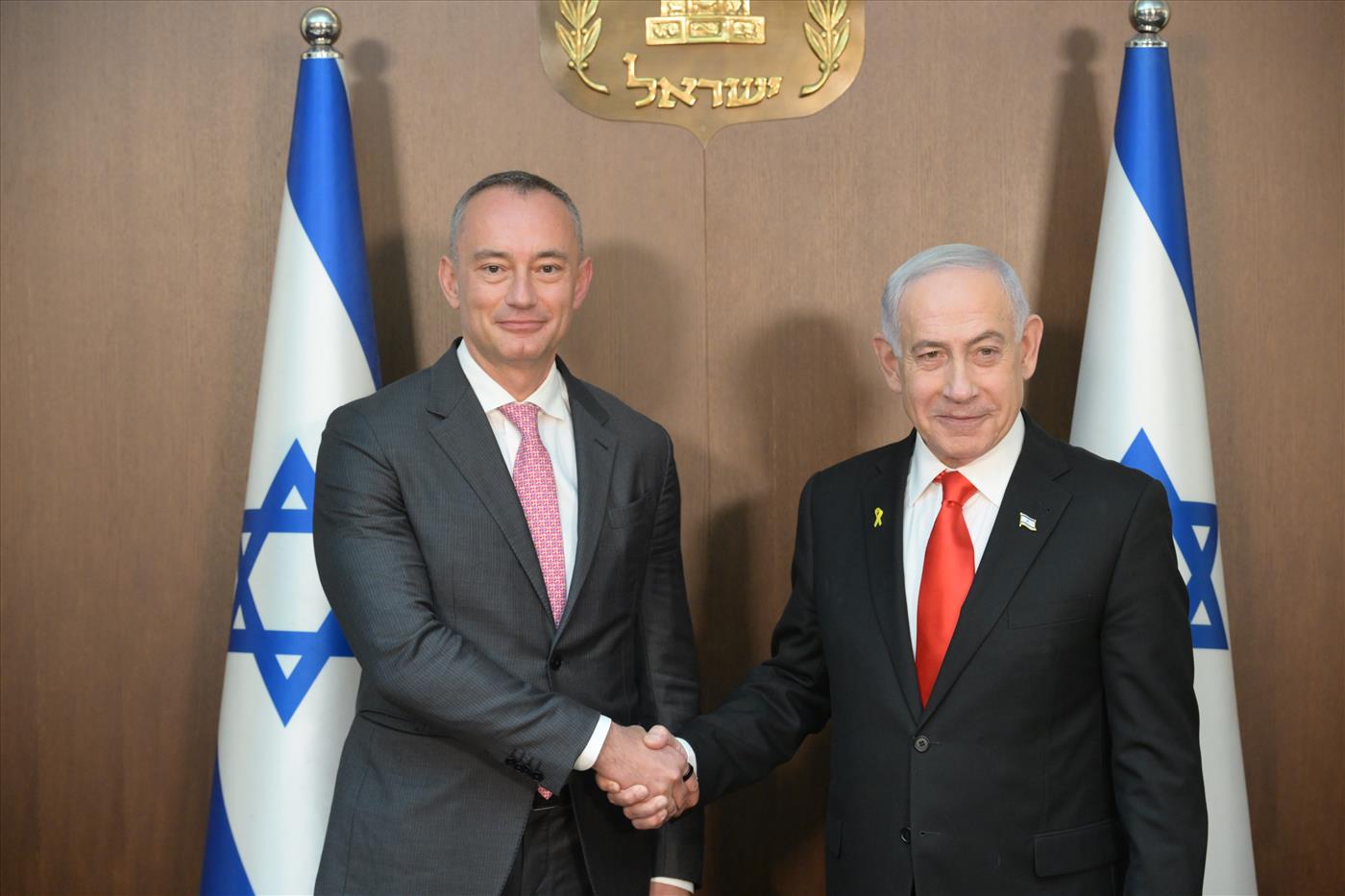
Above the technocratic government, Trump announced the establishment of a "Gaza Executive Board" that will operate under the “Board of Peace”. To Israel's dismay, Trump included a Turkish representative, Hakan Fidan—the Turkish Foreign Minister who was previously head of Turkey's intelligence agency and is known for leading the recent upheavals in Syria and protecting Hamas. Fidan met with Hamas leader Ismail Haniyeh during the war and stated that Hamas is not a terrorist organization. Additionally, the committee will include Ali Thuwadi, a representative of the Qatari government. Other members include Jared Kushner, Trump's Jewish son-in-law; the head of Egyptian intelligence, Hassan Rashid; former UK Prime Minister Tony Blair; Rima Hashimi, a minister from the UAE; and Dutch diplomat Sigrid Kaag, who was the senior UN envoy to aid Gaza.
Another figure announced by Trump to be part of the management committee is Yakir Gabay, an Israeli billionaire businessman who was previously Trump's business representative in Israel. According to a report on the Mako news website, Gabay has been working over the past two years to formulate a reconstruction plan for Gaza in collaboration with international businesspeople from Israel, America, Europe, and the Middle East, in a continuation of the plans developed during the "Abraham Accords." Our readers may recall that some of these plans led to the deal that brought Qatari money into the Gaza Strip.
According to a statement from the White House: "Each Executive Board member will oversee a defined portfolio critical to Gaza’s stabilization and long-term success, including, but not limited to, governance capacity-building, regional relations, reconstruction, investment attraction, large-scale funding, and capital mobilization."
The third body—serving as an overarching entity—is the "Board of Peace," which Trump seems to envision as a parallel to the UN, intended to resolve conflicts not only in Gaza but around the world. Trump has already sent invitations to world leaders to join the "Board of Peace," including pro-Israel Argentine President Javier Milei and anti-Semitic Turkish President Erdogan. A draft constitution of the Board of Peace revealed by Bloomberg indicates Trump's complete control over the organization: he is expected to serve as the founding chairman, decide who is invited to join, and hold the authority to approve the agenda for meetings and the official stance of the organization. According to Trump's plan, 12 heads of state will serve in the topmost positions on the Board of Peace for around three years. Additionally, countries wishing to secure a permanent seat on the council and receive an exemption from the three-year term limit will be required to contribute at least one billion dollars in cash in the first year of the organization's operation.
Under the Peace Council, an "International Stabilization Force" (ISF) is expected to operate, which, as previously reported, will also serve as a "peace enforcement" force. The commander will be American General Jasper Jeffers, who was responsible for monitoring the ceasefire in Lebanon. Jeffers is expected to oversee all security matters (with Palestinian Authority generals reporting to him), deal with the demilitarization of the Gaza Strip, and with the security considerations surrounding the "humanitarian aid."
Additionally, the White House announced that two of Kushner's Jewish advisors would serve as "senior advisors to the Board of Peace." They are Aryeh Lightstone and Josh Greenbaum, the latter of whom authored the fantastical reconstruction plan for Gaza. The White House stated that the two are "charged with leading day-to-day strategy and operations, and translating the Board’s mandate and diplomatic priorities into disciplined execution."
The announcement of the names prompted sharp reactions within the political system. Following the release of the executive board members, Netanyahu's office issued a statement: "The announcement of the composition of the Gaza Executive Board, which is subordinate to the Board of Peace, was not coordinated with Israel and contradicts its policy." Netanyahu attempted to shift responsibility to Foreign Minister Gideon Sa'ar, stating that "the Prime Minister instructed Foreign Minister Gideon Sa'ar to address this matter with the U.S. Secretary of State, Marco Rubio." It appears that Israel attempted to convince the U.S. not to include Turkey, and likely Qatar as well, but without success.
The Israeli left joined in attacking the inclusion of Turkey in the committee, describing it as a failure of Netanyahu.
Naftali Bennett, the leading opposition candidate, stated: "Incorporating Qatar and Turkey into the Gaza Strip is a reward for Hamas for the massacre of October 7 and a danger to Israel's security." Eizenkot also issued a public accusation: "Netanyahu has lost control—Gaza is being managed over our heads in cooperation with Turkey and Qatar."
Smotrich explained that if in fact Turkey and Qatar are involved in managing the Gaza Strip, it is the result of Israel’s reluctance to take responsibility for Gaza:
"The original sin is the Prime Minister's unwillingness to take responsibility for Gaza, to establish a military government, to encourage immigration and settlement, and thereby ensure Israel's security for many years. This refusal has led to the need for bizarre constructions to manage civilian life in Gaza that are neither Hamas nor the Palestinian Authority.
"But even under this assumption, there must be red lines: the countries that have breathed life into Hamas cannot be the ones to replace it. Those who support Hamas and continue to host it in their countries even now must not receive a foothold in Gaza. Period. Our brave soldiers did not risk their lives in a tremendous national mobilization just to [uproot one poison and plant another in its place]."